API 610 is an industry standard for centrifugal pumps established by the American Petroleum Institute (API), primarily applicable to the petroleum, chemical, and natural gas industries. It ensures the reliability, safety, and efficiency of pumps.
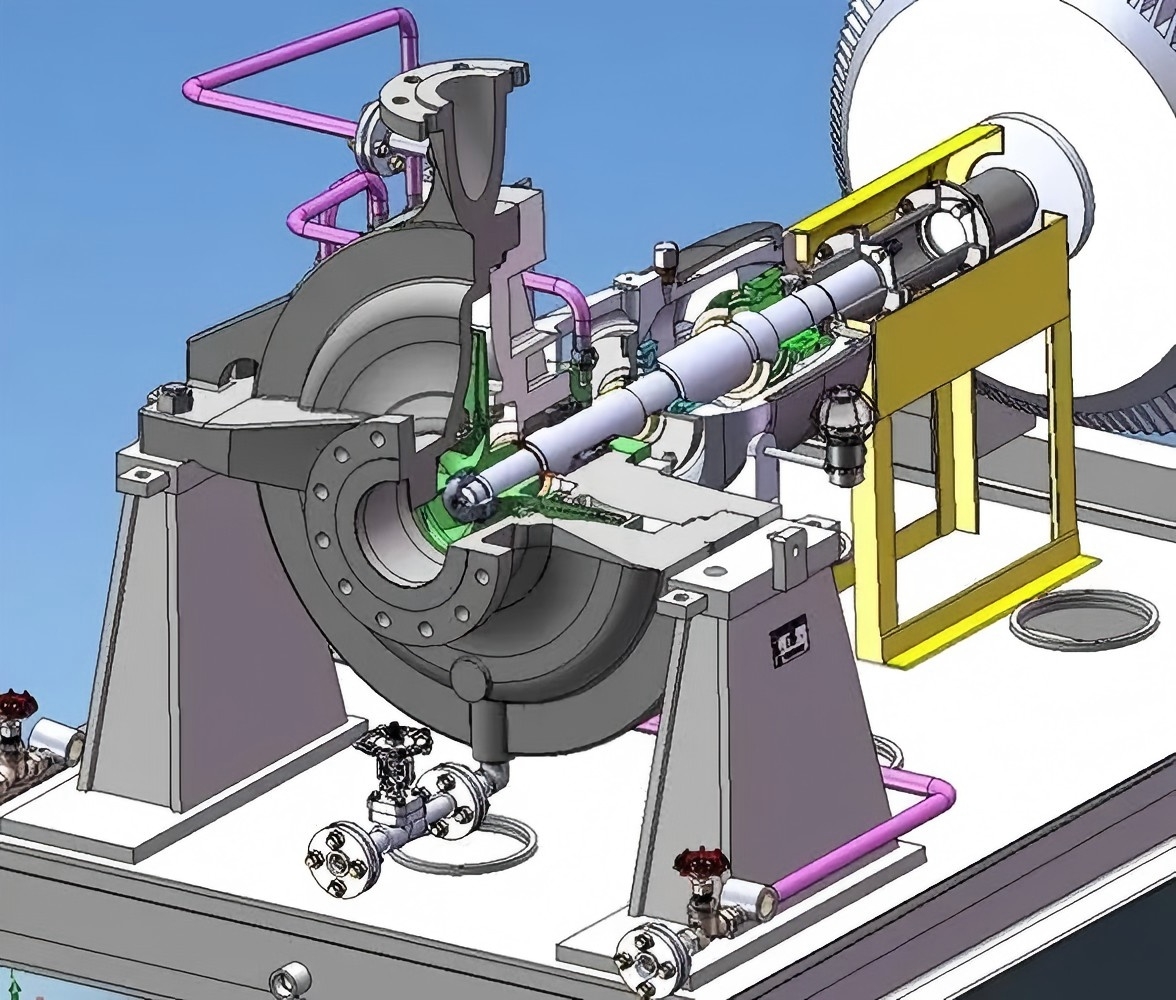
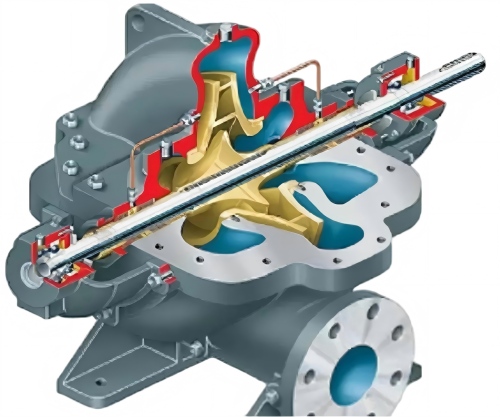
Standard Definition
The API 610 standard (formerly titled Centrifugal Pumps for Petroleum, Heavy Chemical, and Gas Industry Services) specifies requirements for the design, manufacturing, and testing of centrifugal pumps. It covers aspects such as materials, dimensions, tolerances, mechanical seals, and lubrication systems, aiming to adapt to demanding operating conditions.
Core Requirements
- Reliability: Emphasizes stability under extreme operating conditions to ensure long-term, trouble-free operation.
- Safety: Complies with industry safety regulations to protect facility integrity.
- Efficiency: Optimizes energy utilization to reduce operational costs.
Scope of Application
This standard applies to scenarios such as petroleum refineries, chemical processes, and natural gas treatment. The latest version (as of 2025) further strengthens energy efficiency requirements, encouraging the adoption of innovative technologies to reduce lifecycle costs.
Supporting Standards
It works in conjunction with standards such as API 682 (Mechanical Seals) to ensure the reliability of sealing systems for at least a 3-year operational cycle.
Precision Deviation Requirements for Pumps in API 610
The precision deviation requirements for pumps under the API 610 standard are mainly reflected in mechanical fits and tolerance control, including the following key points:
1. Shaft and Bearing Fit Tolerances
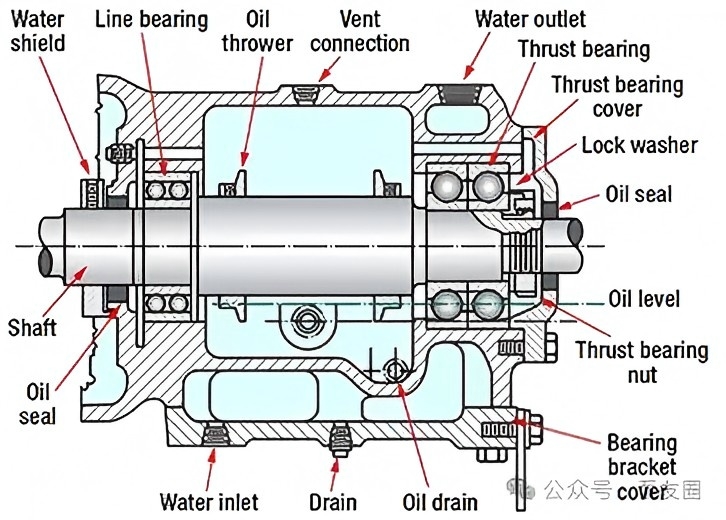
- Shaft diameter tolerances must comply with the ISO 286 standard, typically using h6/h7 grade fits, with radial runout not exceeding 0.05 mm.
- Bearing housing bore tolerance bands are recommended to be H7 grade, forming a transition fit with the bearing outer ring to ensure axial positioning accuracy.
2. Key Component Dimensional Deviations
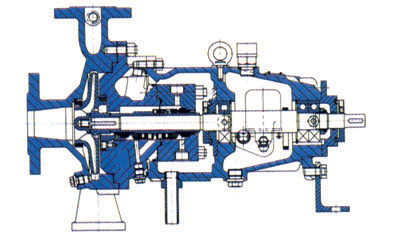
- Radial clearance tolerance between the impeller and pump casing should be controlled between 0.1–0.3 mm (depending on flow rate). For interference fits, k6/m6 grades are used.
- Coupling alignment deviation: radial offset ≤ 0.05 mm, angular deviation ≤ 0.1°.
3. Sealing Surface Precision
- Flatness of mechanical seal faces ≤ 0.9 μm, surface roughness Ra ≤ 0.4 μm.
- Parallelism tolerance for flange connection faces must meet the ASME B16.5 standard, with bolt hole true position ≤ 0.2 mm.
4. Dynamic Balance Requirements
- Residual unbalance of the impeller is controlled per G2.5 grade, with allowable unbalance moment ≤ 1.5 g·mm/kg.
- Rotor critical speed must avoid the ±15% range of the operating speed. Vibration values ≤ 4.5 mm/s (ISO 10816-3).
- Vibration limits: preferred operating zone ≤ 3 mm/s, allowable operating zone ≤ 9 mm/s (for overhung pumps/between-bearing pumps).
5. Structural Assembly Precision
- Total runout of the pump shaft after machining ≤ 0.025 mm.
- Wear ring (clearance ring) gaps must account for thermal expansion and material galling characteristics; gaps may be appropriately reduced for non-metallic materials.
Note: The 12th edition introduces new digital tolerance verification requirements, such as archived laser alignment data for reference.









 WhatsApp
 E-mail