┃A complete pump skid is far more than just the pump unit itself.
Pump skid systems, as highly integrated packaged equipment solutions, are increasingly becoming the preferred choice in numerous industrial fields. They integrate pumps, drive systems, control systems, piping, and valves onto a single steel base or frame according to process requirements and design specifications, forming a complete, movable, and ready-to-install skid-mounted unit.
This modular design concept not only simplifies the installation process but also demonstrates significant advantages in maintenance management, transportation, and customization .
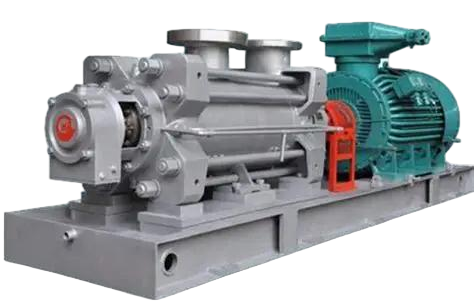
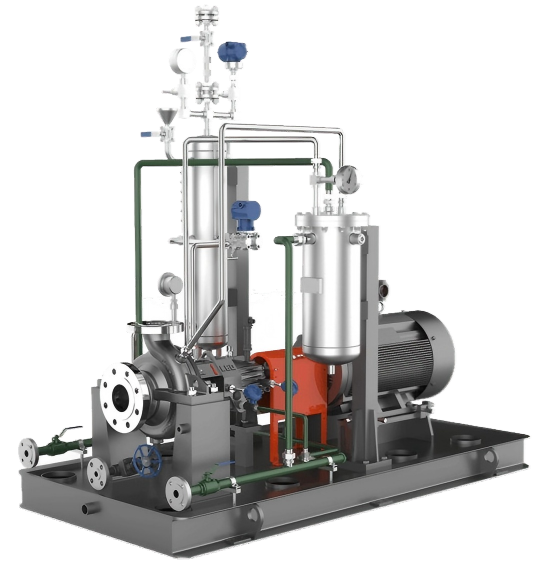
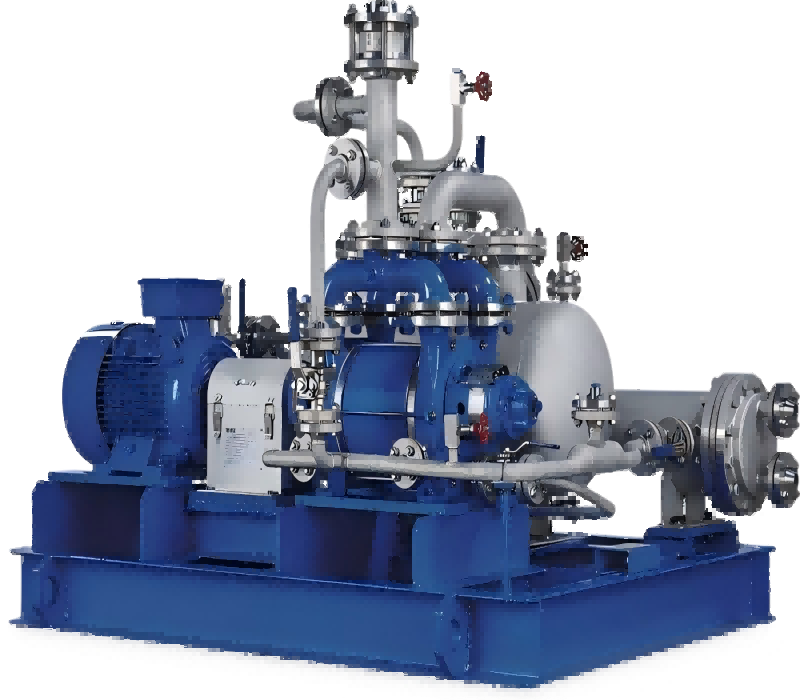
01) Core Components of a Pump Skid
A complete pump skid system is the crystallization of precise design and engineering practice, with its main components performing their respective duties and working in synergy.
Pump Unit: As the heart of the pump skid system, the pump is responsible for pressurizing and transporting the fluid. Depending on the application scenario and requirements, various types such as centrifugal pumps, plunger pumps, metering pumps, or submersible pumps can be selected .
Drive Unit: The drive unit provides the power for the pump operation, typically using an electric motor or a diesel engine. Electric motor drives are widely used in settings with stable power supply due to their smooth operation, high efficiency, and easy maintenance. Diesel engine drives are more suitable for remote areas or places with insufficient power supply .
Piping System: Inlet pipes, outlet pipes, and branch pipes connecting various components form the vascular network for fluid transport. These pipes are often equipped with accessories like filters and flow meters to ensure smooth flow and monitoring of the fluid medium .
Valve System: Valves are key components controlling the direction, flow, and pressure of the fluid within the pipes, including manual butterfly valves, check valves, safety valves, and control valves. In advanced pump skid systems, these valves are usually controlled via hydraulic or electric actuators for automated operation .
Control System: As the brain of the pump skid, the control system can monitor and control the operating status of the pump in real-time, and can also monitor and regulate parameters such as system pressure, flow, and temperature. Modern pump skids are often equipped with advanced control systems for automated control and remote monitoring, improving operational efficiency and manageability .
Base/Framework Structure: The steel base or framework provides support and fixation for the entire pump skid equipment, ensuring stability and integrity, while also facilitating transportation and installation .
02) Technological Innovations and Development Trends in Pump Skids
With the advancement of industrial technology, pump skid technology is also constantly innovating, demonstrating higher efficiency and reliability.
Innovations in bearing cooling technology address a key issue. By designing the bearing seal housing into multiple chambers and introducing a cooling medium, the bearings are immersed in cooling oil while operating. This effectively reduces bearing friction resistance, cushions impact, reduces wear, and simultaneously lowers the temperature, significantly extending bearing service life and system reliability .
Integration and modularization represent another important trend. For instance, split-type pump skid blocks separate the pump suction unit from the power unit, connecting them via standardized interfaces. This makes system configuration more flexible and maintenance more convenient, allowing for quick replacement or upgrading of specific modules based on different application scenarios, greatly enhancing equipment adaptability and efficiency .
Innovations for special application environments are also noteworthy. For example, pump skid blocks designed for deep-water operations utilize hydraulic drive mechanisms as the power source, eliminating the need for expensive high-pressure umbilical cables for power, significantly reducing the cost of deep-water operations. Compared to traditional cable-powered solutions, this design can operate stably at depths exceeding 1500 meters, expanding the application boundaries of pump skids .
Lightweighting is another direction in pump skid technology development. For instance, lightweight drilling pump skids based on hydraulic motors use small-volume, high-torque hydraulic motors to directly drive the drilling pump crankshaft, eliminating traditional transmission components. This results in a significant reduction in the overall skid weight and size, while also reducing maintenance points and improving operational convenience .
03) Application Fields of Pump Skid Systems
Pump skid technology, due to its integrated and modular characteristics, finds widespread application across various industrial sectors.
Oil and Gas Industry: Pump skids are extensively used for fluid transfer, pressure boosting, and circulation processes. Lightweight drilling pump skids based on hydraulic motors are ideal for oil and gas field operations due to their light weight, small size, and good load performance .
Construction Sector: Used in building water supply systems, drainage systems, and for temporary or permanent water supply and drainage needs at construction sites. The modular design allows for rapid deployment and installation .
Water Treatment Industry: Including wastewater treatment plants and water purification plants, used for lifting, transporting, chemical dosing, and pressurized transport of treated water. The enclosed design effectively prevents secondary pollution, meeting environmental requirements .
Power Industry: In power plants, pump skids are used for boiler feed water, condensate recovery, and circulating water cooling systems, ensuring the normal operation of power generation units .
Marine Engineering: Pump skids play a vital role, such as those used for the installation of offshore negative pressure suction anchors, helping the penetration of caissons into the seabed through generated negative pressure, crucial for offshore wind installation and oilfield development .
Mining Industry: Used for mine drainage, slurry transport, and tailings processing, helping mining companies achieve safe production and effective resource recovery. The robust structural design withstands harsh mining environments .
As various industries demand higher equipment efficiency, reliability, and automation, pump skid technology is evolving towards greater intelligence, modularity, and specialization. From simple equipment assembly to today's highly integrated systems, pump skids have transformed from single-function devices into comprehensive platforms encompassing mechanical, electrical, hydraulic, and control technologies. CME's skid-mounted factories possess powerful integrated capabilities in mechanical, electrical, and automation control technologies, enabling customized skid-mounted integrated production according to your process requirements.
In the future, with the deeper application of new materials, new processes, and IoT technology, pump skid systems will demonstrate even greater adaptability and intelligence, providing more efficient and reliable fluid handling solutions for various industrial sectors .









 WhatsApp
 E-mail