
CORE MACHINERY & ENERGY
E-mail: sales@cmecn.com
 English
-
 English


News Center
Company News • Updates • New Products • Fluid Technology & Applications
-
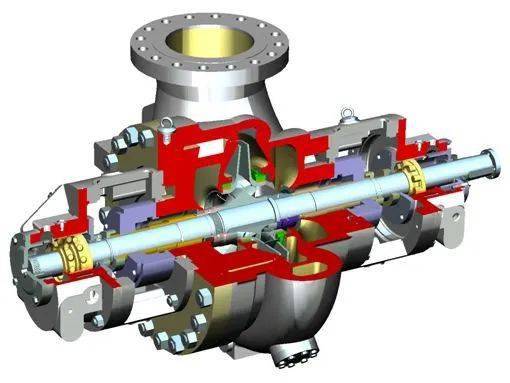
Core Requirements of API Pumps
The core requirements of API pumps focus on high reliability, long service life, and safety. Their design, materials, and testing standards exceed those of ordinary industrial pumps. These requirements make API pumps particularly suitable for high-temperature, high-pressure, high-speed, and hazardous media applications. However, they also result in higher costs and may not meet the energy efficiency standards of general water pumps (e.g., GB 19762).
More -
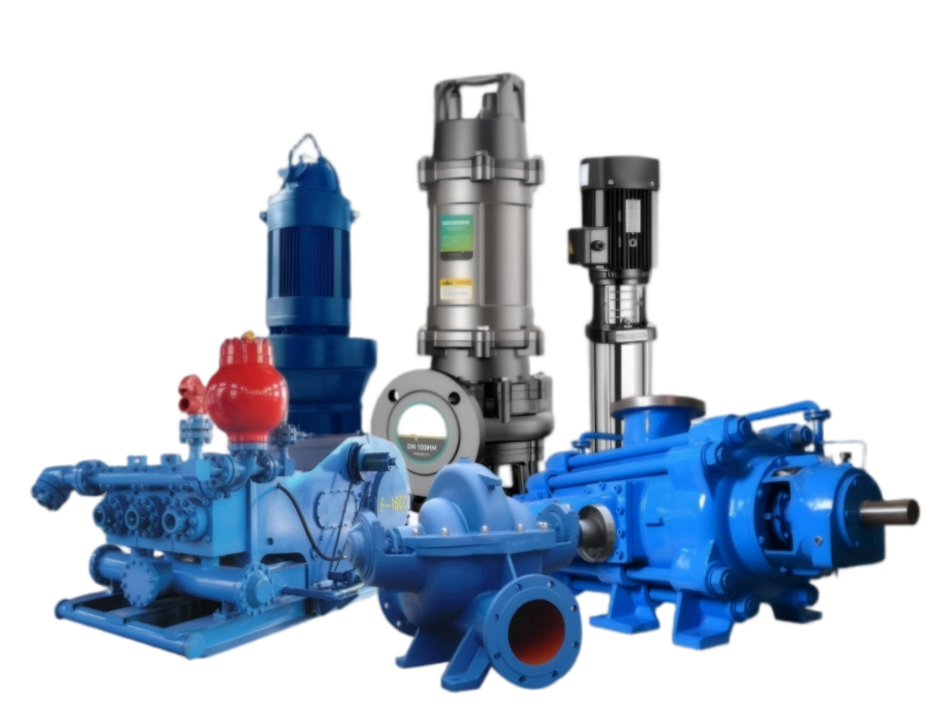
Key Applications of Pumps and Valves in the Oil In...
As key fluid transportation and control equipment in the petroleum industry, pumps and valves play a critical role—from upstream exploration and production, to midstream storage and transportation, and downstream refining. Whether handling crude oil, refined products, clean water, wastewater, or even mud and other various media, all rely on specially designed pumps and valves.
More -
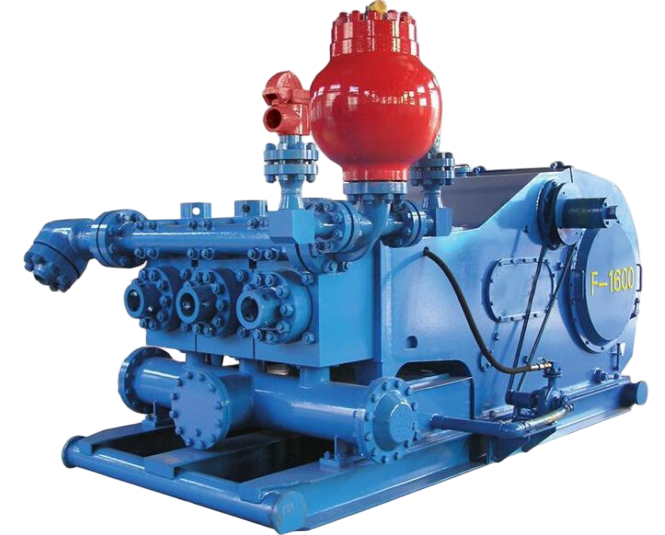
Reco Analysis of the working principle and maintenance ...
The mud pump is the "heart" of oil drilling, delivering high-pressure coolant to drill bits and cleaning the wellbore. Piston pumps and plunger pumps each have their own functions, and daily maintenance should be cautious of five major failure points such as couplings and balance devices. Proper warm-up operations and regular rotation of the pump shaft can extend its lifespan.
More -
What is variable flow constant pressure, constant ...
Variable constant pressure, constant flow variable pressure, and variable flow variable pressure primarily refer to the state of flow and pressure detected at the equipment's water outlet. Here, "variable" indicates change, "constant" indicates stability.
More -
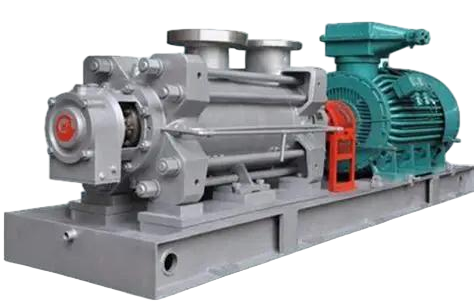
How to reduce the volumetric loss of a self-balanc...
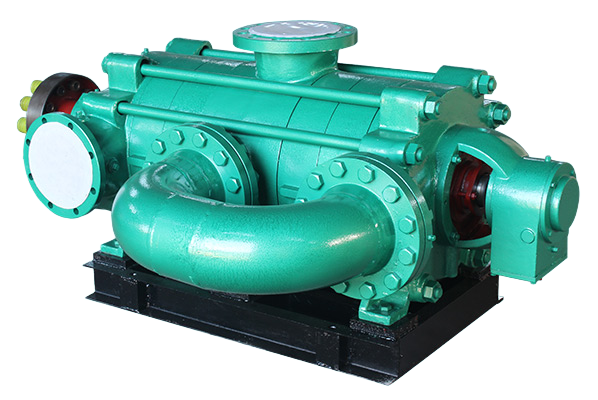
The method and steps to reduce volumetric loss and improve operational efficiency of the Self-Balancing® multistage pump: (1) Reduce leakage loss within the Self-Balancing multistage pump, improve the machining accuracy and assembly quality of parts, decrease the radial clearance between the balance disc front throttle sleeve and the impeller's front and rear sealing rings as well as the guide vane sealing rings, and reduce pressure energy loss caused by liquid leakage from the high-pressure sid
More -
Calculation method and selection guide for on-site...
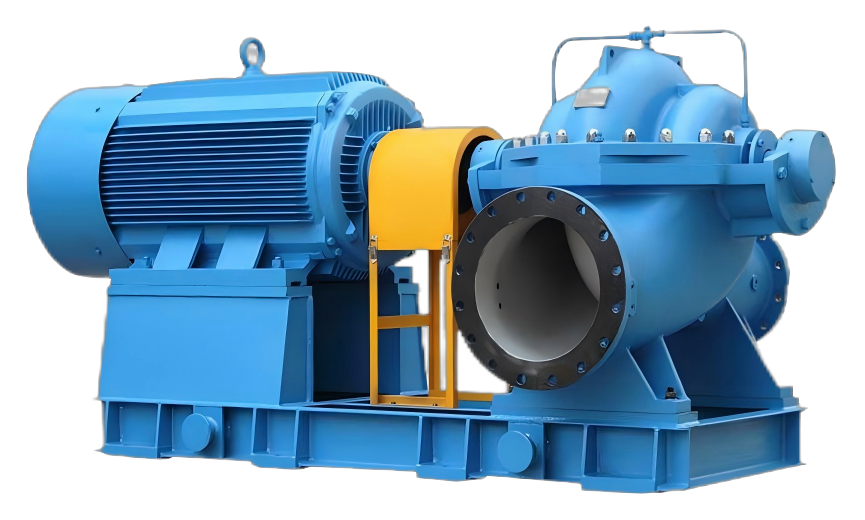
In heating, industrial circulating water systems, and other systems, the flow rate and head of the circulating water pump are key parameters that determine the operating efficiency of the system. Correct calculation of these two parameters and reasonable selection directly affect energy consumption control, equipment lifespan, and system stability.
More

点击右上角
分享给朋友吧
Contact Us
+86 182 2980 0688
sales@cmecn.com
No. 249 Section 2, Furong South Road, Tianxin District, Changsha, Hunan, China
24/7 Technical Support & Service
Copyright © 2025-2028 CME Fluid System Solutions All rights reserved.
 WhatsApp
 E-mail